What is the best chat gpt decetor for checking AI text in 2026?
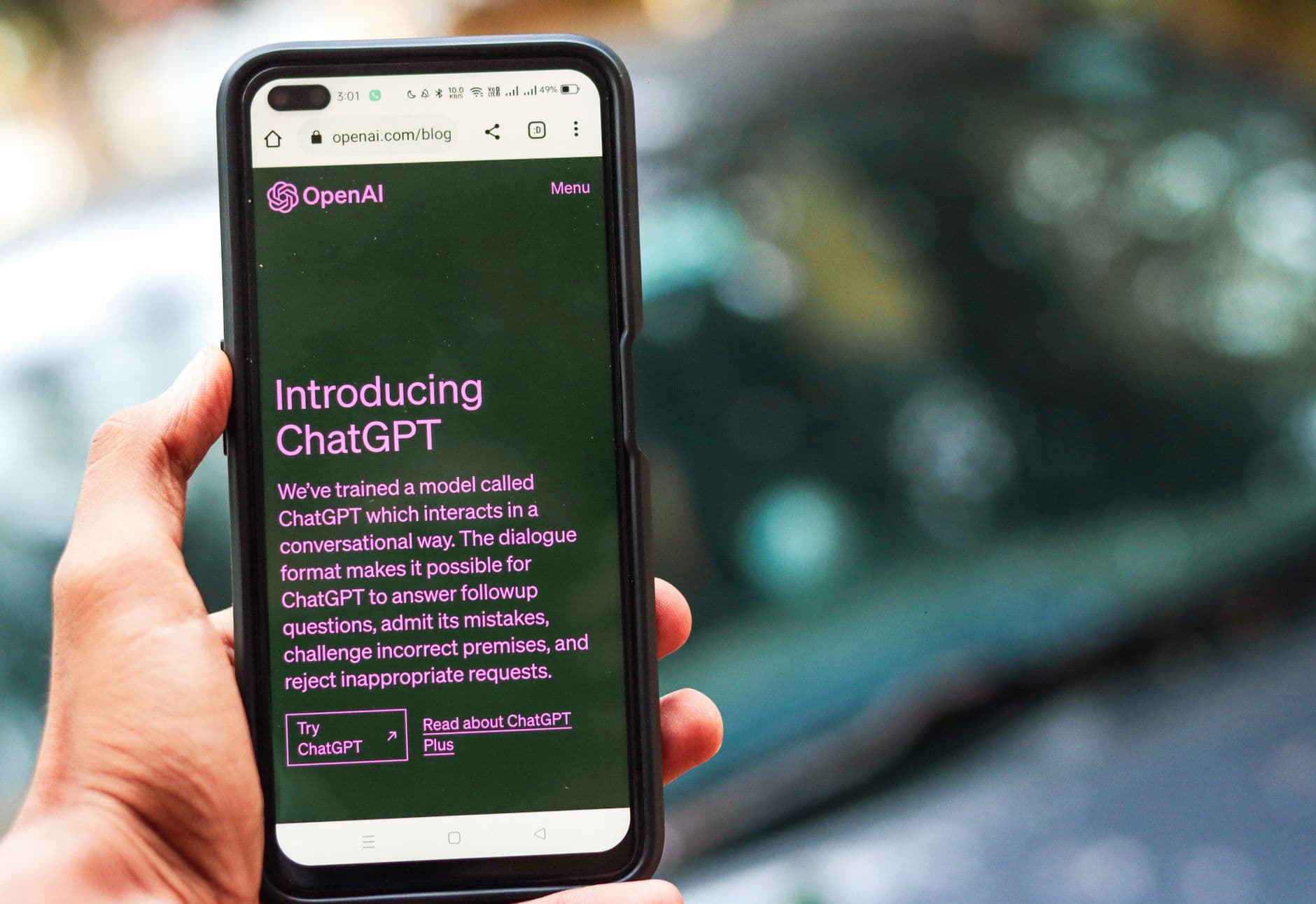
A chat GPT decetor is a tool that estimates how likely a piece of text was written by an AI model such as ChatGPT. The best choice for most people is a free tool such as GPTZero for a first screen, paired with a plagiarism check. Treat any score as a prompt for a closer read, not as proof of who wrote the text.
Key takeaways
- A chat GPT decetor estimates AI likelihood from writing patterns and returns a score, not proof.
- Detectors often flag formal human writing, so no single score should decide an outcome.
- Run a plagiarism check and an AI check, then read the highlighted sentences yourself.
- Keep drafts and sources as evidence of your writing process.
What is a chat gpt decetor and how does it work?
A chat GPT decetor estimates AI likelihood by looking at statistical patterns in the writing. Most tools measure how predictable each word is and how much sentence length varies across a passage. They return a percentage score, not a verdict. Treat that score as a signal to review, not as evidence.
Detectors fail in both directions. They flag some human writing as machine-made, especially formal, tidy prose. They also miss lightly edited AI drafts. That is why no single score should decide anything important about a student, a client or a colleague.
Which chat gpt decetor tools are worth trying?
Several detectors are popular, and each makes a different trade-off. Turnitin is common in universities because it sits inside learning management systems. GPTZero offers a free tier and highlights sentences that drove the score, which helps you see the problem lines. Originality.ai targets publishers and SEO teams and charges per scan. Copyleaks and ZeroGPT offer quick checks for short passages.
| Tool | Best for | Typical limit |
|---|---|---|
| GPTZero | Quick sentence-level review | Free tier with word limits |
| Turnitin | Institutional submissions | Licensed by schools |
| Originality.ai | Publishers and content teams | Paid credits |
| Copyleaks | Plagiarism plus AI checks | Free trial, then paid |
Run the same text through two tools before you trust either result. If they disagree sharply, the text is probably borderline and needs a human read. Compare the scores on a sample you wrote yourself, so you know how each tool treats your normal style.
A detector score is a signal to review, not proof of who wrote a text.
How accurate is an AI detector on an expository essay?
An expository essay is the hardest case for any detector. The format asks for a clear thesis, short topic sentences and neutral vocabulary. Those traits look similar in human and machine writing, so detectors often score well-organised student work highly even when no AI was used.
OpenAI withdrew its own AI text classifier because it was not reliable enough, and that caution still applies to every tool on the market. A better test is whether the essay contains sources you have actually read, specific examples and your own reasoning. A generic model rarely supplies that kind of detail, and a human reviewer can check it in minutes.
How do you check an expository essay for AI use and plagiarism?
Start with a plagiarism scan, because copied sentences are a clearer problem than a style score. Tools such as Turnitin and Copyleaks compare your text with published sources and student papers. Then run the AI check as a second step, and read every highlighted passage yourself.
Use this routine on every essay:
- Run a plagiarism check and note any matches above 15 percent.
- Run an AI detector and record the score and the highlighted sentences.
- Rewrite flagged lines in your own words, with a source or a specific example.
- Add one personal observation or local detail to each body paragraph.
- Keep your draft history, such as Google Docs version history, as evidence of your process.
Can you humanize AI text and get a lower score?
You can lower a score, but that is the wrong goal. Tools that promise to humanize AI text usually swap synonyms, which lowers the detector score but makes the writing worse and often less accurate. Paraphrasing tools such as QuillBot can improve clarity, but they do not add the reasoning a good essay needs.
If you use AI for a first draft, rewrite the argument in your own voice, add sources you have read, and check every claim. For a quick pass on grammar and sentence flow, Grammarly can help without changing your meaning. That improves the essay far more than any score does.
Check plagiarism first, then AI use, and always read the flagged lines yourself.
What should teachers and editors do with a high score?
Teachers and editors should treat a high score as a reason to talk to the writer, not as a penalty. Ask the writer to explain the thesis, walk through the sources and describe how they built the argument. A writer who produced the piece can usually do this easily, while a writer who did not will struggle.
Keep a written policy that names the detectors you use, the score that triggers a review and how writers can respond. Publish it before the first assignment, so students and freelancers know the rules from the start.
Conclusion
A chat GPT decetor gives you a useful signal, but it cannot prove who wrote a text. For expository essays, pair a plagiarism check with an AI score, read the highlighted lines yourself and ask the writer to explain their reasoning. Start with one free tool, test it on an essay you already know, and compare the result with your own judgement before you rely on any score.
Frequently asked questions
Is a chat gpt decetor accurate enough to prove AI use?
No. AI detectors estimate likelihood from writing patterns, so they can flag human writing or miss edited AI text. Use the score as a prompt for a conversation and a closer read, not as proof of misconduct.
Which chat gpt decetor is free?
GPTZero and ZeroGPT both offer free checks with word limits. Free tiers suit a quick screen, but longer documents usually need a paid plan.
Why does my expository essay get a high AI score when I wrote it myself?
Expository essays use clear structure, neutral tone and short topic sentences, which look statistically similar to AI output. Keep your drafts and sources to show your process if the score is questioned.
Does a plagiarism check also catch AI writing?
Not reliably. A plagiarism check compares text with existing sources, so it finds copied passages but not newly generated sentences. Run a separate AI check if you need one.
Can I get a tool that checks AI text and plagiarism together?
Yes. Copyleaks and Originality.ai both offer combined checks. Compare the price per scan and whether the tool shows sentence-level highlights before you buy.